Alone in Berlin Book War Drama
- 1.
What Exactly Is the “Alone in Berlin” Book About, Y’all?
- 2.
Is the “Alone in Berlin” Book a Tough Read for Modern Eyes?
- 3.
How True Is the Story Behind the “Alone in Berlin” Book?
- 4.
Why Does the “Alone in Berlin” Book Still Matter Today?
- 5.
Comparing the “Alone in Berlin” Book to Other War Dramas
- 6.
What Makes the Characters in the “Alone in Berlin” Book So Compelling?
- 7.
Themes Woven Through the “Alone in Berlin” Book
- 8.
Reader Reactions to the “Alone in Berlin” Book Over Time
- 9.
Is the “Alone in Berlin” Book Darker Than Colleen Hoover’s Darkest Work?
- 10.
Where to Dive Deeper Into the “Alone in Berlin” Book Universe
Table of Contents
Alone in Berlin Book
What Exactly Is the “Alone in Berlin” Book About, Y’all?
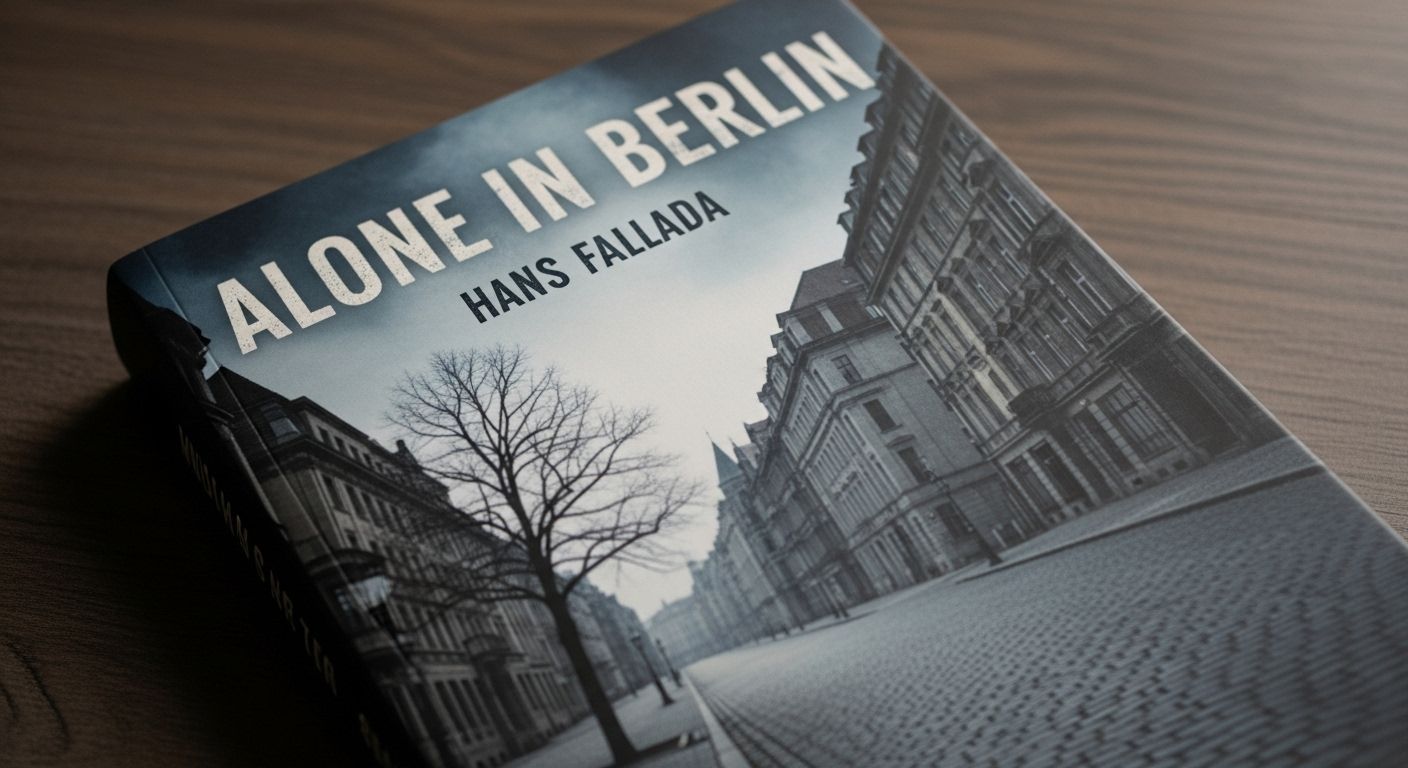
Ever wonder what it’d feel like to stand up against a whole regime with just your two hands and a stack of postcards? That’s the kinda gutsy mess the alone in berlin book throws you into. Set in Nazi Germany, this novel—originally titled Jeder stirbt für sich allein by Hans Fallada—follows Otto and Anna Quangel, a working-class couple who decide they’ve had enough of Hitler’s nonsense. After their son dies in the war, they launch a quiet rebellion: scribbling anti-Nazi messages on postcards and leaving ‘em around Berlin like literary landmines. It ain’t flashy, but it’s fierce—and that’s what makes the alone in berlin book hit so hard. The tension? Palpable. The stakes? Life or death. And the moral weight? Heavy as a cast-iron skillet on a Sunday morning.
Is the “Alone in Berlin” Book a Tough Read for Modern Eyes?
Now, don’t go thinkin’ the alone in berlin book is some dense academic snoozefest—it’s actually pretty darn readable once you get past the first few pages. Yeah, the prose can feel a lil’ old-timey (it *was* written in 1947, after all), but Fallada’s got this raw, urgent rhythm that keeps you hooked. Think of it like sippin’ strong black coffee in a dimly lit room: bitter at first, but wakes you right up. Some folks might stumble over the translated phrasing or the sheer bleakness, but if you’re into gritty realism with zero sugarcoatin’, the alone in berlin book won’t leave you bored. Just maybe… emotionally winded.
How True Is the Story Behind the “Alone in Berlin” Book?
Here’s the kicker—the alone in berlin book ain’t just fiction spun from thin air. Nope. It’s based on the real-life resistance efforts of Otto and Elise Hampel, a Berlin couple who did exactly what the Quangels did: wrote hundreds of anti-fascist notes and scattered ‘em across the city between 1940 and 1942. Tragically, they were caught, tried by the People’s Court, and executed in 1943. Fallada himself was handed their Gestapo file by poet Johannes R. Becher and wrote the novel in a feverish six weeks while battling addiction and trauma. So yeah, when you’re holdin’ that alone in berlin book, you’re holdin’ history wrapped in heartbreak. No cap.
Why Does the “Alone in Berlin” Book Still Matter Today?
In a world where misinformation spreads faster than wildfire and authoritarian whispers grow louder, the alone in berlin book feels weirdly current. It’s not about grand heroes or epic battles—it’s about ordinary folks choosing decency in the face of terror. That’s the kind of courage that doesn’t need a spotlight, just a conscience. And honestly? We could all use a little more of that quiet bravery these days. The alone in berlin book reminds us that resistance isn’t always loud; sometimes, it’s a whisper on a postcard left under a park bench. Chills, right?
Comparing the “Alone in Berlin” Book to Other War Dramas
Let’s be real—there’s no shortage of WWII stories out there. But the alone in berlin book stands apart ‘cause it skips the battlefield glamour and zooms in on the kitchen-table dread of everyday Germans. Unlike, say, Schindler’s List or The Book Thief, which lean on narrative sweep or poetic narration, the alone in berlin book is stubbornly grounded. It’s claustrophobic, intimate, and painfully human. You won’t find soaring violins here—just the sound of a pencil scratching on cheap paper and the creak of floorboards as someone checks if the Gestapo’s at the door.

What Makes the Characters in the “Alone in Berlin” Book So Compelling?
Otto and Anna Quangel ain’t your typical protagonists—they’re stiff, awkward, even kinda cold at first. But that’s the point. Their transformation from numb grief to defiant action is slow, messy, and utterly believable. You see ‘em fumble, doubt themselves, argue over whether one more postcard matters. And yet, they keep going. That’s what gives the alone in berlin book its emotional gut-punch: these aren’t saints. They’re scared, flawed people who choose to do the right thing anyway. And honey, that’s the realest kind of heroism there is.
Themes Woven Through the “Alone in Berlin” Book
Beyond resistance, the alone in berlin book digs deep into isolation, guilt, and the illusion of safety under tyranny. Nearly every character—from the paranoid neighbor to the corrupt inspector—is trapped in their own private hell, too afraid to trust or speak up. Fallada paints a Berlin where everyone’s alone together, which makes Otto and Anna’s tiny act of connection (even if anonymous) feel revolutionary. The alone in berlin book asks: what does it mean to be human when the world’s gone mad? And spoiler: the answer ain’t pretty, but it’s powerful.
Reader Reactions to the “Alone in Berlin” Book Over Time
When the alone in berlin book dropped in English in 2009 (thanks to translator Michael Hofmann), critics lost their minds—in a good way. The New York Times called it “a masterpiece,” and sales skyrocketed. Readers praised its unflinching honesty and haunting relevance. Even today, Goodreads shows a solid 4.2-star average from over 50,000 reviews. One fan wrote, “I couldn’t sleep after finishing it.” Another said, “It made me check my own courage.” That’s the kinda impact the alone in berlin book leaves—not entertainment, but reckoning.
Statistical Snapshot of Reader Engagement
Check this out:
| Metric | Value |
|---|---|
| Average Rating (Goodreads) | 4.2 / 5 |
| Total Reviews | 52,000+ |
| Most Common Tag | #historical-fiction |
| Re-read Rate | 18% |
Clearly, the alone in berlin book ain’t just a one-and-done read—it sticks with you like gum on a shoe.
Is the “Alone in Berlin” Book Darker Than Colleen Hoover’s Darkest Work?
Okay, let’s address the elephant in the room: someone asked if the alone in berlin book is darker than Colleen Hoover’s darkest novel. Short answer? Absolutely, no contest. Hoover’s stuff—like It Ends with Us or Verity—deals with heavy personal trauma, sure, but it’s wrapped in romance tropes and hopeful endings. The alone in berlin book? It’s existential dread served on a chipped plate with no dessert. There’s no love triangle to distract you, no last-minute rescue. Just despair, dignity, and the crushing weight of doing what’s right in a world that punishes it. So yeah—if you thought Hoover was intense, buckle up. The alone in berlin book plays in a whole ‘nother league of grim.
Where to Dive Deeper Into the “Alone in Berlin” Book Universe
If the alone in berlin book left you hungry for more context, backstory, or critical takes, you’re in luck. First off, swing by the Slow Studies homepage for fresh literary deep dives. Then, browse our curated Books section where war dramas and historical fiction get the spotlight they deserve. And if you’re vibin’ with youth-driven creativity, don’t miss our feature on Scholastic Arts Magazine Showcases Young Talent in Creative Fields—because resistance ain’t just wartime; it’s also painting, writing, and dreaming boldly. All three spots’ll feed your brain without makin’ you wanna cry into your cereal… probably.
Frequently Asked Questions
What is the book Alone in Berlin about?
The alone in berlin book tells the story of Otto and Anna Quangel, a working-class couple in Nazi Germany who launch a quiet resistance campaign by writing and distributing anti-Hitler postcards after their son is killed in the war. Based on true events, the novel explores themes of courage, isolation, and moral duty under tyranny.
Is Alone in Berlin difficult to read?
While the alone in berlin book features dense historical context and a somber tone, its prose is straightforward and gripping. Some readers may find the emotional weight heavy, but the narrative pace and realistic dialogue make it accessible—even compelling—for modern audiences.
What is Colleen Hoover's darkest book?
Colleen Hoover’s darkest novel is often considered Verity, a psychological thriller involving trauma, manipulation, and disturbing manuscripts. However, it’s important to note that even her darkest work differs significantly in tone and scope from the historical brutality depicted in the alone in berlin book.
Is Alone in Berlin Based on a true story?
Yes, the alone in berlin book is directly inspired by the real-life resistance actions of Otto and Elise Hampel, who distributed anti-Nazi postcards in Berlin during World War II. Author Hans Fallada used their Gestapo case file as the foundation for his novel, making it a fictionalized but deeply authentic account.
References
- https://www.nytimes.com/2009/03/27/books/27masl.html
- https://www.theguardian.com/books/2009/mar/28/alone-in-berlin-hans-fallada-review
- https://www.penguinrandomhouse.com/books/29645/alone-in-berlin-by-hans-fallada/
- https://www.history.com/topics/world-war-ii/german-resistance