Brooklyn Rail Magazine Explores Contemporary Art and Ideas Boldly
- 1.
What Makes the Brooklyn Rail Magazine a Beacon in Contemporary Art Discourse?
- 2.
Is the Brooklyn Rail Truly Free—or Is There a Catch?
- 3.
How Often Does the Brooklyn Rail Hit the Streets?
- 4.
Can You Trust What the Brooklyn Rail Says?
- 5.
What’s Inside a Typical Issue of the Brooklyn Rail?
- 6.
Who’s Behind the Scenes at the Brooklyn Rail?
- 7.
How Has the Brooklyn Rail Evolved Since 1998?
- 8.
Why Do Academics and Artists Keep Coming Back to the Brooklyn Rail?
- 9.
What’s the Cultural Impact of the Brooklyn Rail Beyond Print?
- 10.
Where Can You Dive Deeper into the World of the Brooklyn Rail?
Table of Contents
brooklyn rail magazine
What Makes the Brooklyn Rail Magazine a Beacon in Contemporary Art Discourse?
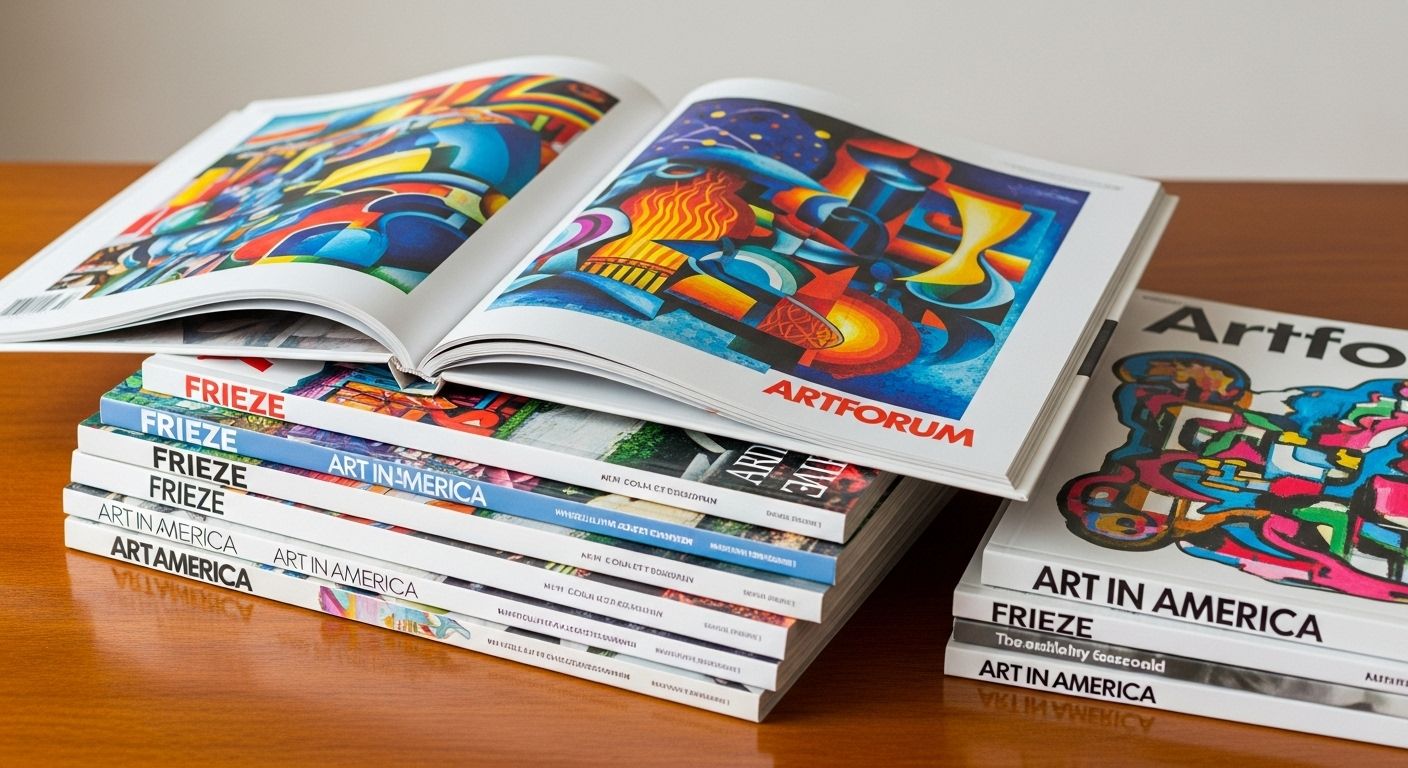
Ever walked into a gallery and felt like everyone’s speaking Martian while you’re just trying to figure out if that blob of paint is, like, “deep” or just someone dropped their coffee? Yeah, us too. That’s where the brooklyn rail magazine swoops in—not with capes, but with razor-sharp essays, unapologetic critiques, and interviews that actually make you wanna put your phone down (gasp!). Born in the heart of Brooklyn back in 1998, this indie art mag ain’t just another glossy pamphlet you flip through while waiting for your oat milk latte. Nah—it’s a full-on cultural compass, guiding readers through the tangled jungle of contemporary art, politics, literature, and even dance. And the best part? It’s free. Like, no-credit-card-needed, no-sneaky-subscription-trap kind of free. The brooklyn rail magazine runs on passion, not profit, which explains why it still smells like fresh ink and late-night studio debates.
Is the Brooklyn Rail Truly Free—or Is There a Catch?
Alright, let’s cut through the noise: yes, the brooklyn rail magazine is 100% free. No paywalls, no “premium content” bait, no “subscribe or miss out” guilt trips. You can walk into any participating bookstore in NYC—like Printed Matter or McNally Jackson—and snag a physical copy like it’s nobody’s business. Or, if you’re more of a pajama-reader, just head to their site and download the whole issue PDF-style. Wild, right? In an age where even your grandma’s knitting blog wants $4.99/month, the brooklyn rail magazine sticks to its grassroots ethos. They’re funded by donations, grants, and the occasional art-world angel who believes culture shouldn’t cost a dime. So go ahead—grab it, share it, dog-ear the pages. The brooklyn rail magazine was made to be used, not hoarded behind velvet ropes.
How Often Does the Brooklyn Rail Hit the Streets?
Here’s the tea: the brooklyn rail magazine drops ten times a year. Yep, not monthly, not quarterly—ten issues. That means there’s a new one almost every month except July and August, when even New York slows down enough to let artists breathe (and maybe repaint their lofts). This rhythm isn’t random—it’s strategic. By skipping summer, they avoid the cultural lull and come back swinging in September with fresh takes on fall exhibitions, biennials, and all that juicy post-Venice Biennale fallout. Each issue’s packed with thematic depth, whether it’s diving into climate grief through sculpture or unpacking AI’s role in poetry. The brooklyn rail magazine doesn’t just follow the calendar; it sets the pace. And honestly? We stan that consistency. Ten times a year might sound odd, but in the world of indie publishing, it’s pure genius pacing.
Can You Trust What the Brooklyn Rail Says?
Let’s be real—anyone can slap “art critic” on their Instagram bio these days. But the brooklyn rail magazine? It’s got street cred thicker than a Lower East Side bagel. Contributors include legit heavyweights like art historian Rosalind Krauss, poet Eileen Myles, and curator Thelma Golden. These aren’t influencers chasing clout—they’re thinkers who’ve shaped movements. Plus, the brooklyn rail magazine maintains editorial independence like it’s oxygen. No ads dictating coverage, no corporate sponsors whispering sweet nothings into their ears. That’s why scholars cite it, galleries reference it, and grad students quote it in their theses (with proper MLA formatting, of course). When the brooklyn rail magazine calls out a museum for greenwashing or praises an overlooked ceramicist from Ohio, you know it’s coming from a place of integrity, not algorithmic optimization.
What’s Inside a Typical Issue of the Brooklyn Rail?
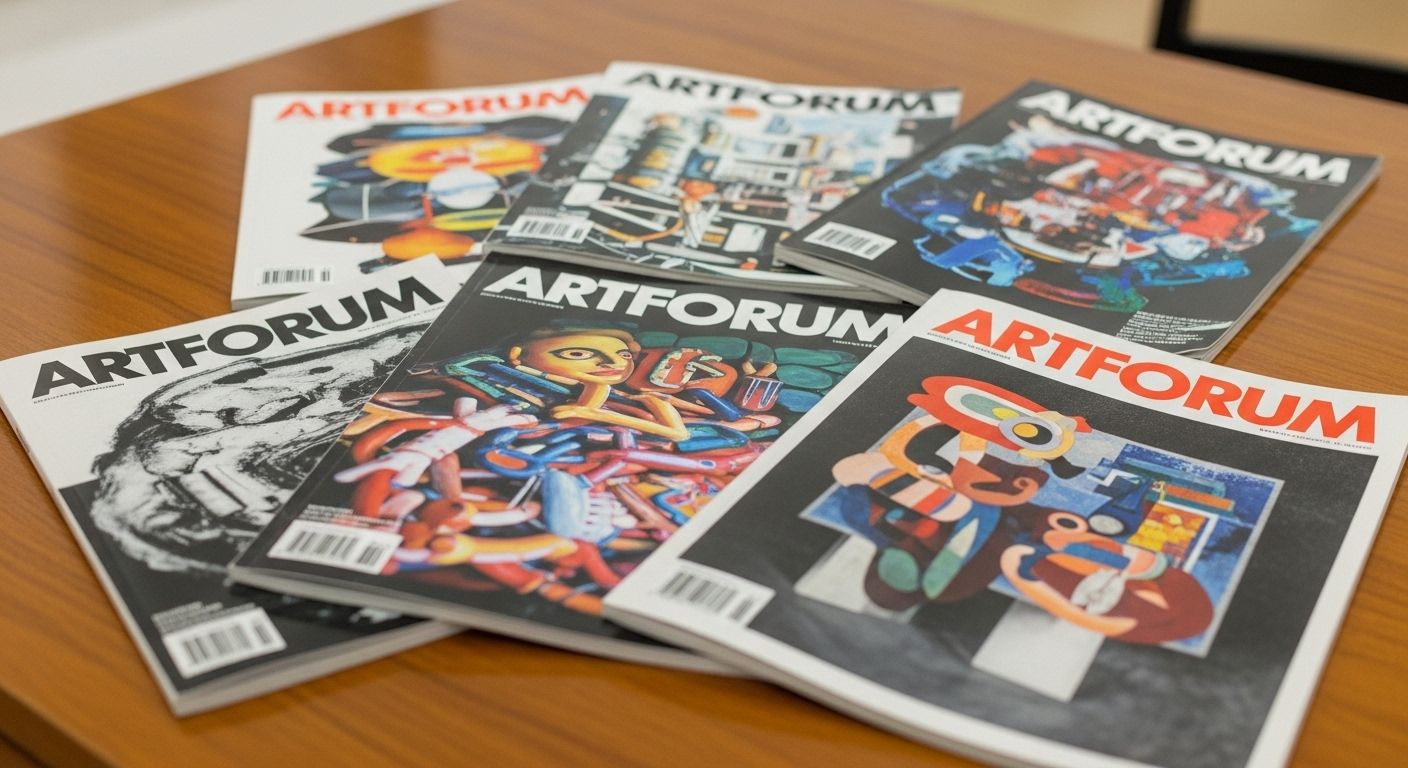
Open any issue of the brooklyn rail magazine, and you’ll find yourself knee-deep in a beautifully chaotic mix of voices. One page might feature a fiery op-ed on gentrification’s impact on artist studios; flip over, and you’re reading a tender interview with a nonbinary performance artist from Detroit. There’s poetry nestled between exhibition reviews, fiction rubbing shoulders with film criticism, and always—always—a killer “Art Seen” section that tours global openings like a well-worn Converse. Oh, and don’t sleep on their “Field Notes” column, where writers dissect everything from labor strikes in museums to the ethics of NFTs. It’s not just a magazine—it’s a living archive of what matters *right now* in the cultural bloodstream. And yeah, it’s messy, opinionated, and gloriously human. Just like art should be.
Who’s Behind the Scenes at the Brooklyn Rail?
Peek behind the curtain, and you’ll find a collective of editors, artists, and volunteers who treat the brooklyn rail magazine like a second home. Founded by Phong Bui—a Vietnamese-born artist, writer, and all-around cultural connector—the publication operates as a non-profit with a horizontal structure. That means decisions are made collaboratively, often over lukewarm pizza in their DUMBO office. No CEO calling shots from a penthouse. Instead, you’ve got poets editing visual art sections and painters writing about jazz. This cross-pollination is what gives the brooklyn rail magazine its unique flavor: it’s never siloed. Everyone wears multiple hats, and ego takes a backseat to curiosity. In a media landscape obsessed with personal branding, the brooklyn rail magazine reminds us that community beats celebrity every time.
How Has the Brooklyn Rail Evolved Since 1998?
From humble zine roots to a globally respected voice, the brooklyn rail magazine has grown without selling its soul. Started as a local bulletin for Brooklyn artists, it quickly became a platform for urgent conversations post-9/11, during Occupy Wall Street, and through the pandemic. Remember when everyone thought print was dead? The brooklyn rail magazine doubled down, expanding its distribution to over 300 locations worldwide—from Berlin to Buenos Aires. They also launched digital initiatives like “Rail Live,” where readers can watch panel discussions in real time. Yet, despite the growth, they’ve kept their DIY spirit intact. No flashy redesigns, no clickbait headlines. Just thoughtful, slow journalism that respects your intelligence. That’s the magic of the brooklyn rail magazine: it evolves without erasing its fingerprints.
Why Do Academics and Artists Keep Coming Back to the Brooklyn Rail?
Because it’s one of the few places where theory meets practice without drowning in jargon. Professors assign brooklyn rail magazine essays not because they’re easy, but because they’re *alive*. Unlike dry academic journals, the brooklyn rail magazine lets writers speak in their own voice—whether that’s lyrical, furious, or darkly funny. An artist reviewing another artist’s show? That’s not bias; that’s dialogue. A poet analyzing a sculpture? That’s interdisciplinary gold. This authenticity makes the brooklyn rail magazine a rare bridge between the ivory tower and the studio floor. And let’s not forget their commitment to underrepresented voices: women, POC, LGBTQ+ creators, and international perspectives aren’t “special features”—they’re the norm. No wonder it’s cited in syllabi from Yale to CalArts.
What’s the Cultural Impact of the Brooklyn Rail Beyond Print?
The brooklyn rail magazine doesn’t just sit on shelves—it sparks conversations. Their public programs, like “The New Social Environment,” host daily Zoom salons during lockdowns, connecting isolated creatives across time zones. They’ve published anthologies, curated exhibitions, and even staged performances based on their content. When they interviewed Kara Walker about her sugar sphinx, it wasn’t just an article—it became a reference point for a generation grappling with race, memory, and materiality. The brooklyn rail magazine understands that ideas need space to breathe, argue, and transform. That’s why their influence ripples far beyond paper: it’s in classrooms, studios, protests, and late-night bar debates. The brooklyn rail magazine isn’t just reporting culture—it’s helping build it.
Where Can You Dive Deeper into the World of the Brooklyn Rail?
If you’re hooked on the brooklyn rail magazine vibe, you’re in luck—there’s a whole ecosystem waiting. Start with the Slow Studies homepage, where we unpack indie publishing gems like this one. Then, browse our Books section for more deep dives into literary and artistic countercultures. And if you loved this exploration, don’t miss our companion piece, A Visit from the Goon Squad Review: Mind-Blow, where fiction meets temporal chaos in true Brooklyn style. Whether you’re a student, artist, or just culturally curious, the brooklyn rail magazine offers endless entry points—and we’re here to guide you through them, one typo-filled, human-written paragraph at a time.
Frequently Asked Questions
What is the most relevant art magazine?
While relevance depends on context, the brooklyn rail magazine stands out for its fearless engagement with contemporary art, politics, and culture. Unlike commercial glossies, it prioritizes critical discourse over market trends, making it a trusted voice among artists, academics, and activists alike. Its independent model and diverse contributor base ensure the brooklyn rail magazine remains deeply connected to real-time cultural shifts.
Is the Brooklyn Rail free?
Yes, the brooklyn rail magazine is completely free—both in print and online. Funded by donations and grants, it’s distributed across hundreds of locations in New York and globally, and full digital issues are available for download without registration. This accessibility is core to its mission: democratizing art criticism and cultural dialogue through the brooklyn rail magazine’s open-door policy.
How often does the Brooklyn Rail come out?
The brooklyn rail magazine publishes ten issues per year, typically skipping July and August. This schedule allows for deeper thematic focus and alignment with the global art calendar, including major exhibitions and biennials. Each issue of the brooklyn rail magazine is carefully curated to reflect urgent conversations in art, literature, and society.
Is the Brooklyn Rail a reliable source?
Absolutely. The brooklyn rail magazine is widely regarded as a credible and independent source in art and cultural criticism. Its contributors include leading scholars, artists, and thinkers, and its editorial process emphasizes intellectual rigor over commercial appeal. Libraries, universities, and museums regularly archive the brooklyn rail magazine, cementing its status as a reliable pillar of contemporary discourse.
References
- https://www.brooklynrail.org
- https://www.artforum.com
- https://hyperallergic.com
- https://www.frieze.com