Books Written by George Orwell Warn Against Totalitarian Dangers
- 1.
Ever Read a Book That Felt Like It Was Watching You Back? That’s Orwell for Ya.
- 2.
Animal Farm: When Pigs Run the Show and Equality Gets Rewritten Overnight
- 3.
Nineteen Eighty-Four: The Blueprint for Every Dystopian Nightmare Since
- 4.
The Six Novels of George Orwell: More Than Just Two Classics
- 5.
What Is George Orwell’s Most Famous Book? (Spoiler: It’s Not Just One)
- 6.
Down and Out in Paris and London: The Nonfiction That Shaped His Fiction
- 7.
Homage to Catalonia: Where Orwell Got Shot (Literally) by Truth
- 8.
Why Orwell Hated Intellectuals (Even Though He Was One)
- 9.
George Orwell’s First Famous Book: Burmese Days and the Birth of a Conscience
- 10.
Where to Start If You’re New to Books Written by George Orwell (And Where to Go After)
Table of Contents
books written by george orwell
Ever Read a Book That Felt Like It Was Watching You Back? That’s Orwell for Ya.
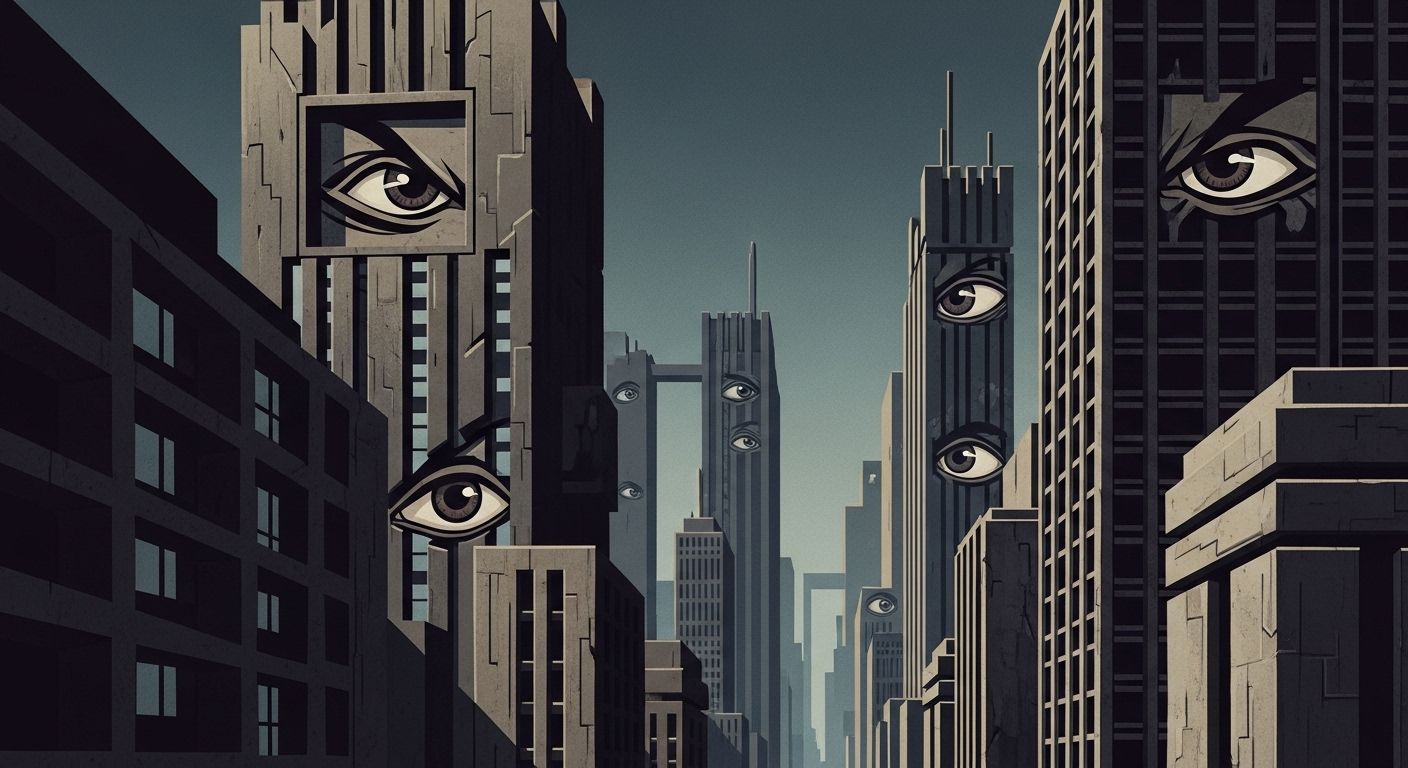
Y’ever finish a novel and suddenly feel like your toaster’s reporting your breakfast habits to Big Brother? Congrats—you’ve just been touched by the icy, brilliant hand of books written by George Orwell. Orwell didn’t just write stories; he wrote warnings wrapped in fiction, dipped in satire, and served with a side of existential dread. Born Eric Arthur Blair in 1903, he adopted the pen name “George Orwell” to shield his family from embarrassment (turns out colonial police work in Burma wasn’t exactly dinner-party gold). But what he left behind—six razor-sharp novels and a shelf-load of essays—still cuts deep into today’s world of surveillance, propaganda, and performative outrage. The books written by George Orwell aren’t relics; they’re mirrors. And honey, that reflection ain’t always pretty.
Animal Farm: When Pigs Run the Show and Equality Gets Rewritten Overnight
If you think politics is messy now, try reading *Animal Farm*—a barnyard fable so savage it got banned in the USSR, the USA (yep, really), and half the school districts in Texas. Published in 1945, this slim novella uses talking pigs, horses, and sheep to skewer Stalinism, but its message stretches far beyond one regime. “All animals are equal,” the revolutionaries declare… only to add later, “but some animals are more equal than others.” Classic Orwellian irony. What makes this one of the most enduring books written by George Orwell is how effortlessly it exposes the slippery slope from idealism to tyranny. And let’s be real—it’s also hilarious. Who knew a pig named Napoleon could be scarier than your boss on a Monday morning?
Nineteen Eighty-Four: The Blueprint for Every Dystopian Nightmare Since
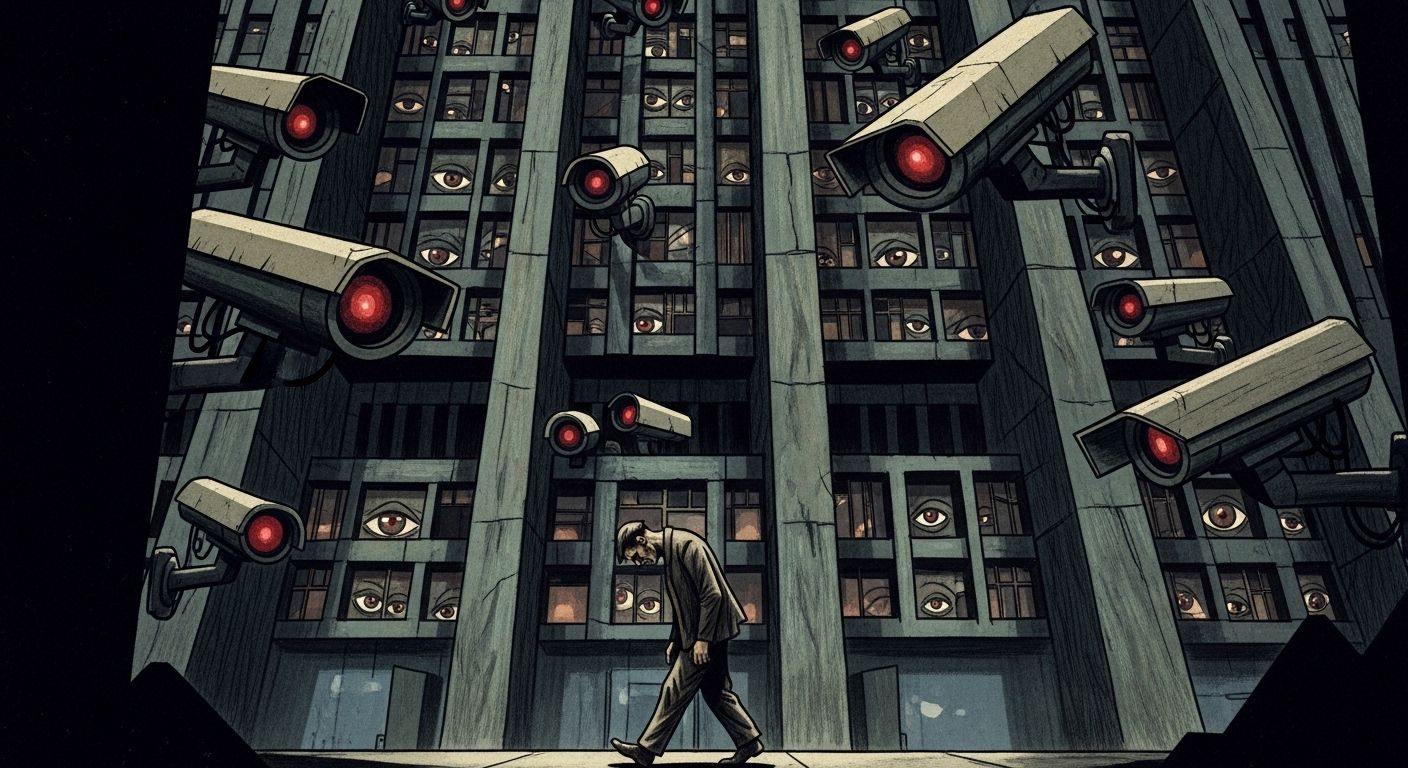
Let’s cut to the chase: if you’ve ever said “Orwellian” to describe government overreach, fake news, or your smart fridge tracking your midnight snack cravings, you’re quoting *Nineteen Eighty-Four*. Published in 1949, this novel introduced terms like “Big Brother,” “thoughtcrime,” “doublethink,” and “Newspeak”—now staples of political discourse. Set in a totalitarian future where truth is whatever the Party says it is, the story follows Winston Smith as he tries (and fails) to rebel against a system that controls not just actions, but thoughts. The books written by George Orwell often explore power, but *Nineteen Eighty-Four* is his darkest, most prophetic vision. Fun fact: sales spiked after both Trump’s election and Brexit—not because people love dystopias, but because they recognized the signs.
The Six Novels of George Orwell: More Than Just Two Classics
Most folks know *Animal Farm* and *Nineteen Eighty-Four*, but did you know Orwell wrote **six** novels total? Here’s the full lineup, ranked by how likely they are to make you question your life choices:
| Year | Title | Vibe Check |
|---|---|---|
| 1934 | Burmese Days | Colonial guilt meets toxic masculinity in imperial Myanmar |
| 1935 | A Clergyman’s Daughter | Existential crisis + amnesia + hop-picking = weirdly poetic |
| 1936 | Keep the Aspidistra Flying | Anti-capitalist rage disguised as a bookstore romance |
| 1939 | Coming Up for Air | Midlife nostalgia with a side of impending war |
| 1945 | Animal Farm | Pigs. Power. Betrayal. Perfection. |
| 1949 | Nineteen Eighty-Four | The reason you cover your webcam |
While the last two dominate pop culture, the earlier books written by George Orwell reveal his evolution—from disillusioned imperial servant to radical humanist. They’re rougher, messier, and deeply personal. And honestly? That’s what makes ‘em real.
What Is George Orwell’s Most Famous Book? (Spoiler: It’s Not Just One)
Ask ten people, and you’ll get two answers: *Animal Farm* or *Nineteen Eighty-Four*. Both are titans. *Animal Farm* is taught in middle schools for its allegorical simplicity; *Nineteen Eighty-Four* haunts college dorms with its philosophical weight. But here’s the twist—they’re two sides of the same coin. One shows how revolutions rot from within; the other shows what happens when they never end. Together, they form the core of the books written by George Orwell that define his legacy. Neither is “more famous”—they’re just famous in different ways. Like peanut butter and jelly: separate, they’re good; together, they’re iconic.
Down and Out in Paris and London: The Nonfiction That Shaped His Fiction
Before he was warning us about telescreens, Orwell was scrubbing pots in Parisian kitchens and sleeping in London doss houses. His 1933 memoir, *Down and Out in Paris and London*, isn’t a novel—but it’s essential to understanding the empathy in his books written by George Orwell. He lived poverty, not as an observer, but as a participant. That firsthand grit bleeds into every character who’s hungry, tired, or ground down by systems they didn’t design. Critics call it “documentary realism,” but we call it heart. Without this book, Winston Smith might’ve felt like a theory. Thanks to it, he feels like your neighbor.
Homage to Catalonia: Where Orwell Got Shot (Literally) by Truth
In 1936, Orwell joined the fight against fascism in the Spanish Civil War—and got a bullet through the neck for his trouble. *Homage to Catalonia* (1938) recounts his time with the POUM militia, a leftist group later purged by Stalinist communists. The betrayal he witnessed there shaped his lifelong hatred of authoritarianism, no matter the label. This book isn’t fiction, but it’s the Rosetta Stone for decoding the paranoia in *Nineteen Eighty-Four*. The books written by George Orwell after Spain all carry that scar: the knowledge that even “good” movements can devour their own. As he wrote: “Political language… is designed to make lies sound truthful.” Sound familiar?
Why Orwell Hated Intellectuals (Even Though He Was One)
Here’s a paradox: George Orwell was a Cambridge-educated essayist who loathed pretentious intellectuals. Why? Because he saw how easily clever words could mask cruelty. In his essay “Politics and the English Language,” he railed against vague, inflated prose—the kind that lets politicians say “collateral damage” instead of “dead kids.” That same fury fuels his books written by George Orwell: clear, direct, unflinching. He believed language should reveal, not conceal. So while he moved in literary circles, his writing always reached for the common reader. No jargon. No fluff. Just truth, served cold.
George Orwell’s First Famous Book: Burmese Days and the Birth of a Conscience
Technically, *Burmese Days* (1934) was Orwell’s debut novel—and it bombed hard at first. Critics called it bitter; former colleagues called it treasonous. But it was also the first of the books written by George Orwell to expose the rot of empire. Drawing on his time as a colonial officer, he portrayed British rule in Burma as lonely, corrupt, and morally bankrupt. The protagonist, John Flory, is trapped between loyalty to his race and disgust at its actions—a tension Orwell knew well. Though not “famous” upon release, it laid the groundwork for everything that followed: the anti-authoritarianism, the moral clarity, the refusal to look away. Sometimes, the first shot is the quietest.
Where to Start If You’re New to Books Written by George Orwell (And Where to Go After)
If you’re fresh to the world of books written by George Orwell, don’t start with *A Clergyman’s Daughter*—trust us. Begin with *Animal Farm*: short, sharp, and impossible to misread. Then move to *Nineteen Eighty-Four* for the full dystopian plunge. Once hooked, try *Down and Out in Paris and London* for raw humanity, or *Homage to Catalonia* for political fire. And if you’re feeling brave, tackle *Keep the Aspidistra Flying*—it’s basically *Fight Club* with poets and less punching. While you’re exploring, don’t forget to check out the homepage of Slow Studies for more literary deep dives. You can also browse our curated collection in the Books category. And if you love mystery with moral depth, don’t miss our piece on Louise Penny writer creates cozy mysteries with deep twists—because great storytelling always asks big questions.
Frequently Asked Questions
What are the six novels of George Orwell?
The six novels of George Orwell are Burmese Days (1934), A Clergyman’s Daughter (1935), Keep the Aspidistra Flying (1936), Coming Up for Air (1939), Animal Farm (1945), and Nineteen Eighty-Four (1949). These books written by George Orwell chart his journey from colonial critic to dystopian prophet.
What is George Orwell's most famous book?
George Orwell’s most famous books are Animal Farm and Nineteen Eighty-Four. Both are landmark works among the books written by George Orwell, celebrated for their political insight and enduring relevance.
What is George Orwell best known for?
George Orwell is best known for his critiques of totalitarianism and social injustice, primarily through the books written by George Orwell such as Animal Farm and Nineteen Eighty-Four, which coined terms like “Big Brother” and “thoughtcrime.”
What was George Orwell's first famous book?
While not immediately famous, George Orwell’s first novel was Burmese Days (1934). It laid the moral foundation for later books written by George Orwell and is now recognized as a crucial early critique of imperialism.
References
- https://www.orwellfoundation.com/the-orwell-foundation/orwell/books-and-essays/
- https://www.britannica.com/biography/George-Orwell
- https://www.penguinrandomhouse.com/authors/2984/george-orwell
- https://plato.stanford.edu/entries/orwell/