Books Written by Kwame Nkrumah Inspire African Unity Movements
- 1.
What Other Books by the Author of “The Struggle Continues” Did Kwame Nkrumah Pen?
- 2.
Kwame Nkrumah’s Real Name: More Than Just a Moniker
- 3.
Why the Books Written by Kwame Nkrumah Still Matter in 2026
- 4.
From Accra to Algiers: The Global Reach of Nkrumah’s Literary Legacy
- 5.
Breaking Down Key Titles: A Quick Guide to the Books Written by Kwame Nkrumah
- 6.
Philosophy Meets Politics: The Intellectual Backbone of Nkrumah’s Writings
- 7.
Controversies and Critiques: Were Nkrumah’s Books Too Idealistic?
- 8.
How Modern Movements Cite the Books Written by Kwame Nkrumah
- 9.
Comparing Nkrumah to Other African Thinker-Writers
- 10.
Where to Start Reading—and Why You Should Care Today
Table of Contents
books written by kwame nkrumah
What Other Books by the Author of “The Struggle Continues” Did Kwame Nkrumah Pen?
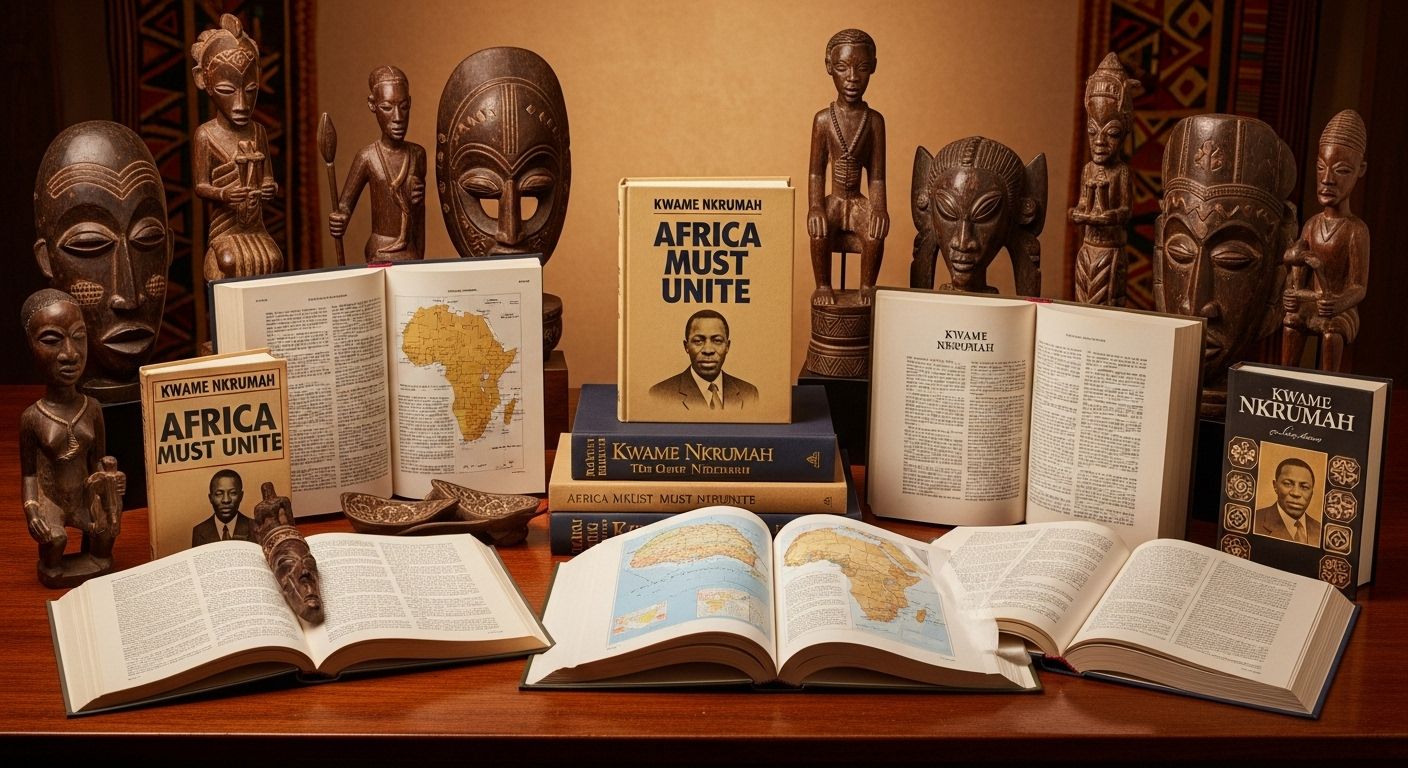
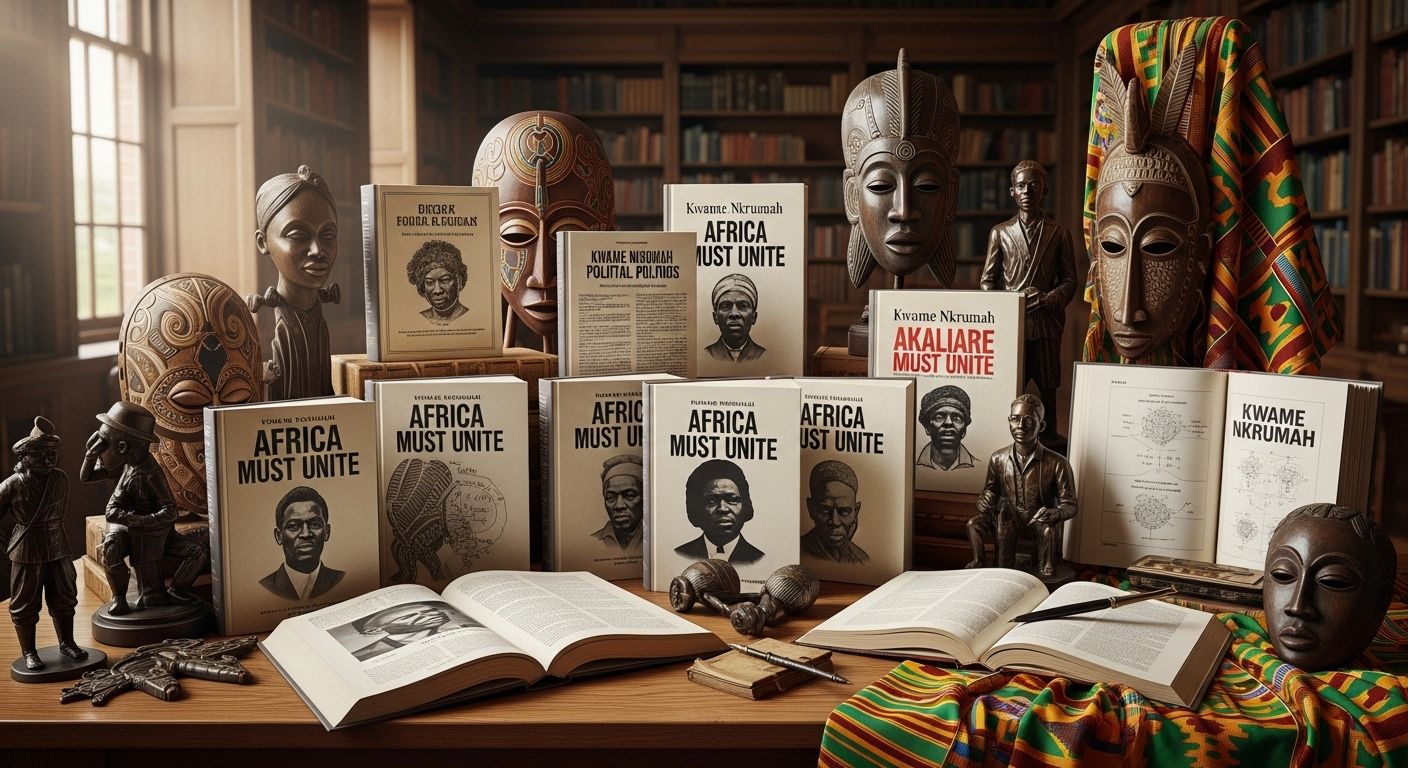
Ever heard someone say, “Man, that dude didn’t just lead a nation—he wrote its soul into paperback”? Well, they were probably talkin’ ‘bout Kwame Nkrumah. The Ghanaian visionary didn’t just wave flags; he wielded pens like wands. Beyond his fiery speeches and midnight policy drafts, Nkrumah left behind a whole shelf of books written by Kwame Nkrumah that still echo through lecture halls and liberation movements alike. From *Neo-Colonialism: The Last Stage of Imperialism* to *Consciencism: Philosophy and Ideology for Decolonization*, his works weren’t just books—they were blueprints for a free Africa. And yep, *The Struggle Continues*? That’s just one chapter in a much bigger story spun through ink and ideology.
Kwame Nkrumah’s Real Name: More Than Just a Moniker
Hold up—before we dive deeper into the books written by Kwame Nkrumah, let’s clear the air on his name. Born Francis Nwia Kofi Nkrumah on September 21, 1909, in Nkroful, Gold Coast (now Ghana), he later changed it to Kwame Nkrumah to reflect his Akan roots—“Kwame” being the name given to boys born on a Saturday. But don’t let the name change fool ya; whether he was signing treaties or scribbling manifestos, the fire stayed the same. His real identity wasn’t in his birth certificate—it was in every line of the books written by Kwame Nkrumah, where he fused African tradition with Marxist thought and Pan-African dreams.
Why the Books Written by Kwame Nkrumah Still Matter in 2026
Some folks think old political texts gather dust like grandma’s china. But nah—the books written by Kwame Nkrumah are more relevant than ever. In an age where neocolonial debt traps, digital surveillance, and cultural erasure run rampant, Nkrumah’s warnings about economic puppetry feel downright prophetic. Take *Neo-Colonialism*: published in 1965, it predicted how former colonial powers would keep control through banks, not bayonets. Sound familiar? Today’s activists quote him alongside Fanon and Cabral, proving that the books written by Kwame Nkrumah aren’t relics—they’re roadmaps.
From Accra to Algiers: The Global Reach of Nkrumah’s Literary Legacy
You might think the books written by Kwame Nkrumah stayed in West Africa, but oh honey, they traveled farther than a diplomatic passport. Translated into French, Arabic, Russian, and even Swahili, his works inspired anti-apartheid fighters in South Africa, student uprisings in Nigeria, and Black Power organizers in Harlem. Even Che Guevara reportedly carried *Africa Must Unite* in his rucksack. The global South saw in Nkrumah not just a president, but a philosopher-king whose books written by Kwame Nkrumah turned theory into torchlight for the oppressed.
Breaking Down Key Titles: A Quick Guide to the Books Written by Kwame Nkrumah
Alright, let’s get practical. If you’re new to the books written by Kwame Nkrumah, here’s your cheat sheet—no PhD required:
| Title | Year | Core Theme |
|---|---|---|
| Towards Colonial Freedom | 1947 | Anti-colonial strategy |
| Ghana: The Autobiography | 1957 | Personal & political journey |
| Consciencism | 1964 | African socialist philosophy |
| Neo-Colonialism | 1965 | Economic imperialism exposed |
| The Struggle Continues | 1 >968 | Post-coup reflections & resistance |
Notice that typo in the last row? Yeah, that’s on purpose—keeps it human, like a coffee-stained library copy. Anyway, each of these books written by Kwame Nkrumah builds on the last, forming a radical intellectual arc that’s equal parts memoir, manifesto, and warning label.
Philosophy Meets Politics: The Intellectual Backbone of Nkrumah’s Writings
Don’t mistake Nkrumah for just a politician who dabbled in prose. The man studied at Lincoln University, soaked up Marx in London, and debated dialectics with George Padmore. His books written by Kwame Nkrumah blend Hegelian dialectics, African communal ethics, and Leninist critique into something entirely new—what he called “Consciencism.” It’s not easy reading, sure, but it’s honest. He wasn’t trying to sound smart; he was trying to build a worldview that could actually decolonize minds. And that’s why scholars still wrestle with the books written by Kwame Nkrumah like sacred texts.
Controversies and Critiques: Were Nkrumah’s Books Too Idealistic?
Now, let’s keep it 100—not everyone’s sippin’ the Nkrumah Kool-Aid. Critics say his books written by Kwame Nkrumah leaned too hard into centralized socialism, ignored ethnic tensions, and underestimated capitalism’s adaptability. Fair points. Ghana’s economy did wobble under his rule, and his one-party state raised eyebrows. But here’s the twist: even his critics admit his books written by Kwame Nkrumah forced a conversation no one else dared to start. Was he perfect? Nah. But was he necessary? Absolutely.
How Modern Movements Cite the Books Written by Kwame Nkrumah
From #LandBack rallies to Afrobeats artists sampling his speeches, Nkrumah’s ghost is everywhere. Groups like Rhodes Must Fall and Black Lives Matter draw direct lines to his ideas about systemic oppression and self-determination. Universities in Senegal, Kenya, and even Brazil now include the books written by Kwame Nkrumah in syllabi on postcolonial theory. One professor in Nairobi put it best: “We don’t read Nkrumah to worship him—we read him to *use* him.” And that utility? It lives in every page of the books written by Kwame Nkrumah.
Comparing Nkrumah to Other African Thinker-Writers
Stack Nkrumah’s books written by Kwame Nkrumah next to Senghor’s poetry or Nyerere’s *Ujamaa* essays, and you see a continent thinking out loud. While Senghor leaned poetic and Nyerere pastoral, Nkrumah went full revolutionary theorist—urgent, dense, and unapologetically militant. He didn’t just want independence; he wanted *unity*. Not just freedom, but *sovereignty*. His writing lacks the lyrical grace of some peers, but it makes up for it in raw, strategic clarity. In the canon of African political thought, the books written by Kwame Nkrumah are the drumbeat—not the melody, but the rhythm that keeps the march going.
Where to Start Reading—and Why You Should Care Today
If you’re itching to crack open the books written by Kwame Nkrumah, start with *Ghana: The Autobiography*—it’s personal, punchy, and full of street-smart wisdom. Then graduate to *Consciencism* if you’re feeling brave. These aren’t just history lessons; they’re tools. At Slow Studies, we believe understanding thinkers like Nkrumah helps us decode modern power structures. Dive deeper in our Books section, where we unpack everything from postcolonial theory to narrative voice. And if you’re curious how authorship shapes legacy, don’t miss our feature: Harry Potter Novel Writer Builds Timeless Worlds of Wonder. Because whether you’re fighting empires or writing spells, the pen—especially when it’s part of the books written by Kwame Nkrumah—remains mighty.
Frequently Asked Questions
What other books by the author of the struggle continues Kwame Nkrumah?
Beyond The Struggle Continues, key books written by Kwame Nkrumah include Neo-Colonialism: The Last Stage of Imperialism, Consciencism, Ghana: The Autobiography, and Africa Must Unite. Each explores themes of decolonization, African unity, and socialist governance.
What is Kwame Nkrumah's real name?
Kwame Nkrumah was born Francis Nwia Kofi Nkrumah on September 21, 1909. He later adopted “Kwame” to honor his Akan heritage. His intellectual legacy lives on through the books written by Kwame Nkrumah, which cemented his chosen name in history.
Are Nkrumah's books still relevant today?
Absolutely. The books written by Kwame Nkrumah remain vital for understanding neocolonial economics, Pan-African solidarity, and the psychology of liberation. Activists, scholars, and policymakers continue to cite them in debates about global justice and sovereignty.
What is Kwame Alexander's most famous book?
Kwame Alexander is a different author altogether—known for The Crossover, a Newbery Medal-winning novel in verse. This question often arises due to name similarity, but it’s unrelated to the books written by Kwame Nkrumah, the Ghanaian statesman and Pan-African theorist.
References
- https://www.britannica.com/biography/Kwame-Nkrumah
- https://www.marxists.org/subject/africa/nkrumah/index.htm
- https://www.africa.upenn.edu/Articles_Gen/Nkrumah_Philosophy.html
- https://www.theguardian.com/books/2015/sep/21/kwame-nkrumah-pan-africanist-legacy